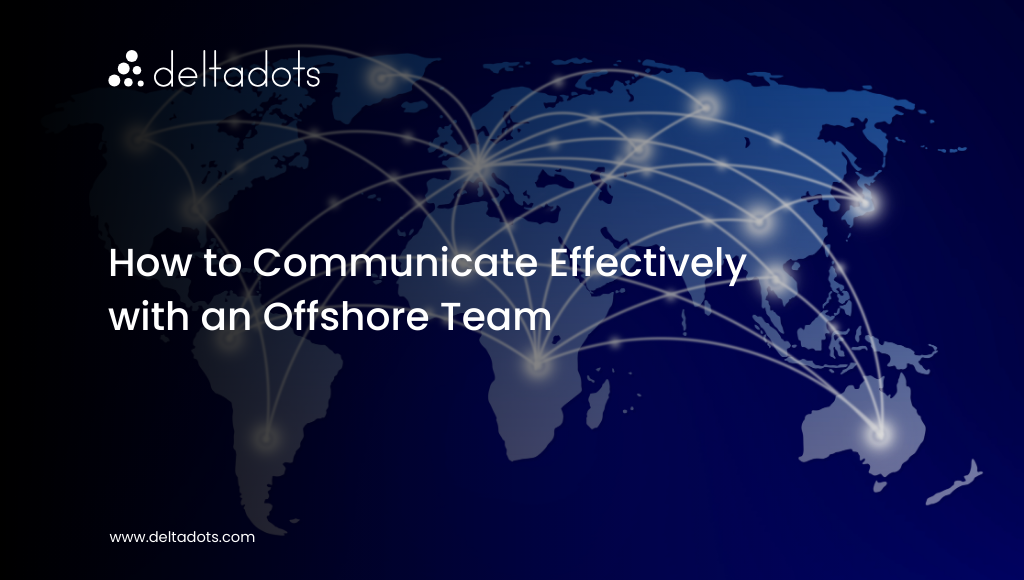
An offshore team refers to a group of professionals who work from a different country, remotely, for an organization. This model is ideal for saving costs, sourcing talent from around the world, and taking advantage of scalable work. Communication between the in-house team and the offshore team is crucial in successfully working together as a team to deliver the project on time. This guide offers strategies, tools, and best practices to effectively communicate with the offshore teams, to avoid misunderstandings, work delays, and meet the goals. Good communication practices increase the efficiency of the teams.
What Are the Most Effective Practices for Communicating with Offshore Teams?
The list below comprises the best practices in communication with offshore teams:
- Set Clear Expectations: Clear expectations are necessary for successful communication with offshore teams. The goals, timelines, and deliverables of the project are defined upfront to ensure alignment.
- Regular Check-Ins: Regular check-ins track the progress of a project and ensure clear communication. The meetings are held daily and weekly to track tasks, address issues, and align teams with project goals.
- Document Everything: It is important to document all the instructions, guidelines, and updates to enable proper communication with the offshore teams. Documentation is important to enable consistency, reduce misunderstanding, and future referencing.
- Encourage Open Dialogue: This strategy helps teams share ideas, concerns, and feedback freely. Regular meetings and clear communication channels make offshore team members feel included.
- Cultural Awareness: Respecting their holidays, working hours, and cultural traditions helps build trust. It also improves teamwork and cooperation. This creates a positive and respectful working environment.
What are the Tools and Platforms for Effective Communication
Below are the tools used for effective communication
- Project Management Tools: The use of project management tools helps improve communication and coordination among offshore teams. Trello, Asana, and Jira project management tools are used to track various tasks effectively, ensuring everyone is on the same page.
- Messaging Platforms: They help with real-time communication and collaboration with offshore teams. Platforms like Slack and Microsoft Teams allow for immediate updates, rapid conversations, and smooth information sharing.
- Video Conferencing Tools: These tools help facilitate communication with remote workers through virtual face – to – face communication. Google Meet and Zoom help in holding meetings, making presentations, and collaborating.
- Document Collaboration Tools: They are useful in enhancing cooperation to allow easy exchange of information and cooperation among offshore teams. Google Workspace, Notion, and Confluence help to work in a team and keep everyone informed.
- Time Zone Scheduling Tools: Time zone scheduling tools help to arrange meetings in various time zones. Platforms like World Time Buddy and Time Zone Converter have helped in organizing time schedules with ease, and no team member is left behind.
How to Set KPIs and Feedback Loops
Set KPIs and feedback loops to measure the performance of the offshore team. These Key Performance Indicators measure the response time, the completion of tasks, and the quality of deliverables. Surveys and regular check-ins help review team performance and identify issues early. Feedback sessions allow employees to share their views openly. Assessing communication methods ensures messages are clear and effective. Adjust communication methods based on team performance and feedback.
What are the Common Communication Challenges in Offshore Teams
The Following are the common communication challenges in offshore teams.
- Time Zone Differences: They make scheduling meetings and collaborating in real time much more difficult, often requiring careful planning to ensure alignment of the team.
- Language Barriers: They lead to the incorrect interpretation of instructions and project requirements, which causes delays and errors during task execution.
- Cultural Differences: Work style, ways of giving or receiving feedback, and professional etiquette differ across cultures. These differences impact collaboration and need careful management to ensure smooth teamwork.
- Limited Visibility: It becomes difficult to track progress without the proper tools. Limited visibility makes it difficult to perform monitoring and ensure project goals are met.
- Delayed Feedback: Slower responses affect the timelines of the project, which makes maintaining workflow and meeting deadlines harder.
What are the Common Mistakes to Avoid
Common mistakes to avoid in communication with offshore teams include the assumption that instructions are understood without verification. Overloading a team with too much information causes confusion. Ignoring cultural differences results in confusion between the two parties involved, while a lack of feedback lowers engagement. Relying solely on one communication channel without redundancy increases the risk of missed messages and errors.