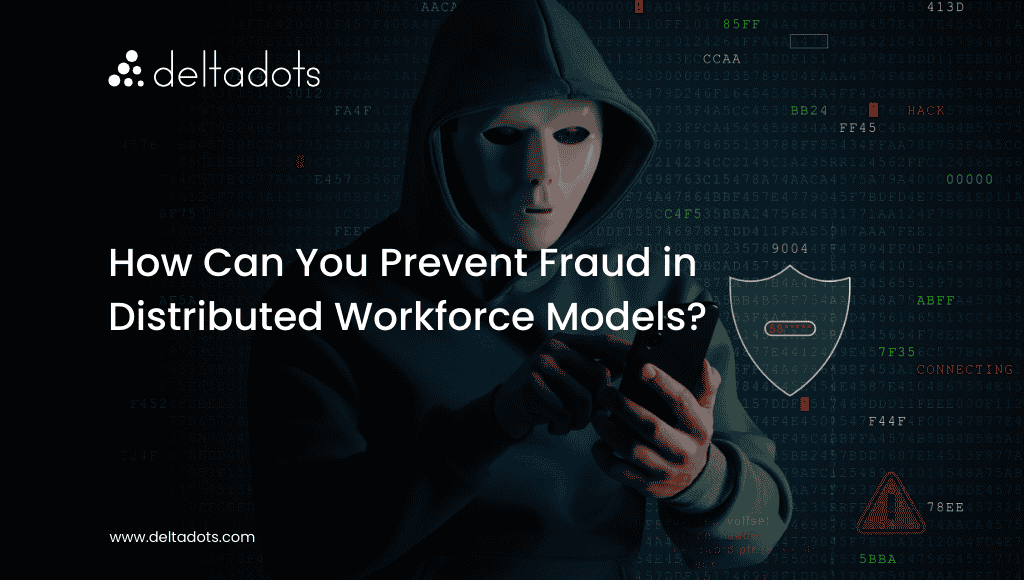
Fraud prevention in distributed workforce models must be clearly controlled, well monitored, and employees need to be educated. Distributed workforce fraud is the unauthorised activity of payroll, expense misreporting, phishing, or intellectual property theft by remote employees or contractors. Remote workplaces are more exposed as supervision reduces, and several access points are presented on devices and networks. Companies minimize risk by performing identity checks, system access based on roles, constant monitoring of transactions, and cybersecurity education. Three out of every five organizations had received more phishing attacks on remote workers, making it necessary to implement additional workforce security measures.
What are the Key Factors Contributing to Fraud in Remote Teams?
Here are the four primary contributors to the risk of fraud in remote teams:
- Absence of control and surveillance: The remote environment has low accountability due to a lack of real-time supervision. Fraudulent activities go undetected longer since managers cannot physically see employee conduct, usage of systems and daily operations.
- Weak internal controls: Financial and operational systems are vulnerable to a weak approval process and inadequately defined access rights. Employees get too much access, which introduces possibilities of illegal transactions, manipulation of records and policy breach.
- Roles and responsibilities conflict: The lack of clarity in job boundaries leads to confusion in remote teams. Workers take advantage of conflicting responsibilities to conceal irregularities, avoid responsibility or manipulate reporting lines in financial or operational procedures.
- Poor background checks: Hiring verification is not complete, which exposes one to untrustworthy people. The absence of identity checking, employment history, and reference checks will enable high-risk candidates to access sensitive operations.
How to Establish Strong Internal Controls to Mitigate Fraud?
Here are the four major controls that mitigate fraud in distributed teams:
- Segregation of duties: Distinct important duties among varying employees. One individual handles the transactions, another checks the records and another accepts the action. Such an organization minimizes the chances of manipulation and enhances accountability.
- Layers and dual sign-offs: Sensitive financial operations need approvals of various levels of authority. Dual sign-offs enhance transparency, establish clarity of accountability, and minimise the risk of unauthorized payments or distortion of expenses.
- Corresponding reconciliations and audits: Financial and operational records reconciliations are carried out frequently to determine irregularities at an early stage. Internal auditing routine examines transactions and verifies documentation and identification of any unusual patterns before losses spread.
- Access and permissions controls: Control system access based on job roles. Authorized individuals only access sensitive systems and data when they need it. Effective ownership of permissions lowers the abuse of monetary sites and sensitive data.
How to Implement Technology Solutions for Fraud Prevention?
Technology helps in preventing fraud in distributed teams through securing access and tracking activities. Multi-factor authentication and identity checking guarantee that only authorized persons gain access to company systems. Monitoring and analytics tools identify irregularities in the behavior of the system or transactions as well as unusual patterns of logging in. Sensitive business information is secured by the use of secure communication systems. An automated expense and time tracking system minimizes the manipulation associated with manual reporting.
How to Conduct Comprehensive Employee and Vendor Vetting?
Extensive vetting enhances fraud prevention in decentralized workplaces. Background and reference verifications verify work history, criminal activities, and reputational dangers. Skill verification and credential ensures that people qualify to have sensitive duties. Vendor risk examination examines third-party partners regarding standards of compliance and exposure to fraud. Ongoing checking of the long-term contractors by periodical checking ensures trust is established and the operational risk continues to be minimized.
How to Build a Culture of Transparency and Accountability?
Here are the four effective measures that enhance transparency and accountability in distributed teams.
- Clear policies: Document clear rules on how to act, how to work with finances and how to handle data. Employees know limits, accountabilities and disciplinary actions against fraud, malpractice or breach of policies.
- Open reporting channels: Have confidential reporting mechanisms like ethics hotlines or web-based whistleblower policies. Workers report suspicious activity, and this enhances fraud early detection in distributed teams.
- Frequent training: Conduct frequent fraud awareness, cybersecurity awareness and ethical decision-making training. During the daily work, employees get trained to detect suspicious activities, phishing, and policy violations.
- Reward compliance and ethics: Award publicly those employees who adhere to compliance and show integrity. Rewards strengthen responsible action and promote integrity among team members in operations and reporting procedures.
How Can You Ensure Effective Governance and Oversight in Distributed Teams?
Good management in distributed teams requires well-organised control and responsibility. A centralized monitoring unit engages specific staff to examine remote operations and system operations. Periodic compliance and performance reviews test the productivity and policy compliance. Audit committees that are cross-functional that incorporate finance, HR and operations, enhance oversight. Well-defined escalation channels provide speed in reporting fraud or policy breaches or irregularities in operations.
How Can Legal Agreements and Contracts Protect Your Business from Fraud?
Legal contracts establish a structure of protection against fraud within distributed workplaces. Contracts contain anti-fraud provisions that hold employees and vendors accountable to set standards of conduct. The non-disclosure agreements guard against the misuse and sharing of confidential information. Sanctions and specified outcomes of violations discourage bad behavior and promote responsibility. Local and international alignment with labor laws enhances the enforceability of business interests in various jurisdictions.
How Can Ongoing Monitoring and Risk Management Prevent Fraud in Distributed Teams?
Continuity monitoring enhances fraud prevention in distributed teams by providing a continuous risk assessment. Periodic data audits and anomalous detection detect suspicious operations at the earliest point. Risk assessment in the form of scenarios reveals process and control vulnerabilities. Incident-based feedback loop of review enhances operational protection and policy. The alignment of controls of the distributed workforce to expanded organizational risk strategies is achieved through integration with enterprise risk management frameworks.